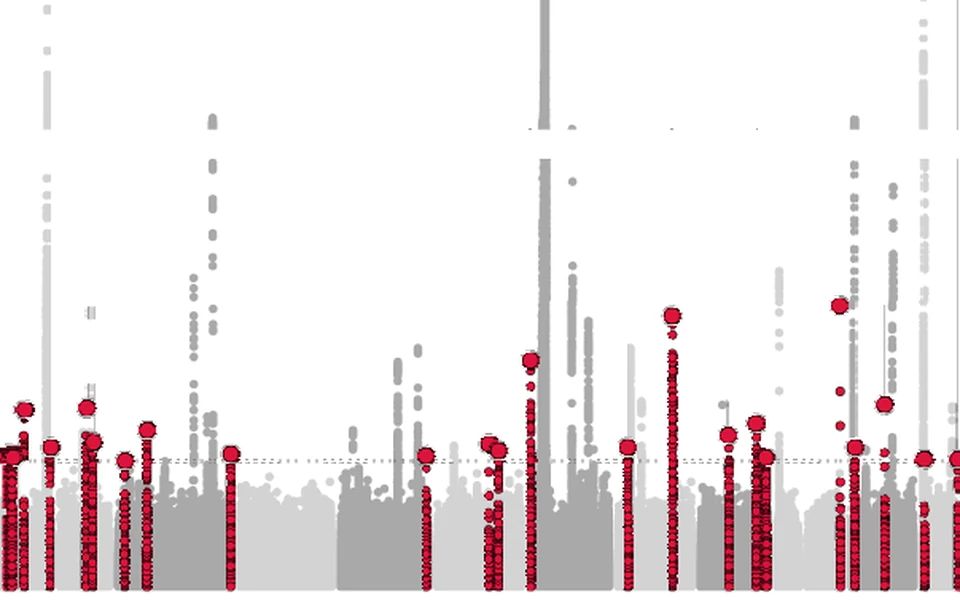
Type 1 diabetes (T1D) is usually described as a disease of the pancreatic islets: the immune system destroys the beta cells that make insulin. For my PhD, I combined T1D genome-wide association study (GWAS) results with single-cell chromatin accessibility maps of the human pancreas and found that many T1D risk variants are active in acinar and ductal cells. These are the exocrine cells that make digestive enzymes and carry them to the gut. The finding, published in Nature (Chiou et al., 2021), pointed to the exocrine pancreas as part of the disease.
A 2024 preprint from the Gaulton lab reported that blood levels of pancreatic enzymes are a causal biomarker of T1D risk (Elgamal et al., 2024), and single-cell multiome profiling of pancreas tissue across disease stages showed how regulatory programs in each cell type change as T1D progresses (Melton et al., 2025).
Data and code: joshchiou/T1D_snATAC
Related: Single-Cell Epigenomics of Pancreatic Islets, the companion project that mapped islet cell-type chromatin accessibility and type 2 diabetes risk variants.