Mapping cell-type-specific chromatin accessibility and its role in diabetes genetic risk.
TL;DR Single-cell chromatin maps of human pancreatic islets showed which islet cell types carry the regulatory elements behind type 2 diabetes risk variants.
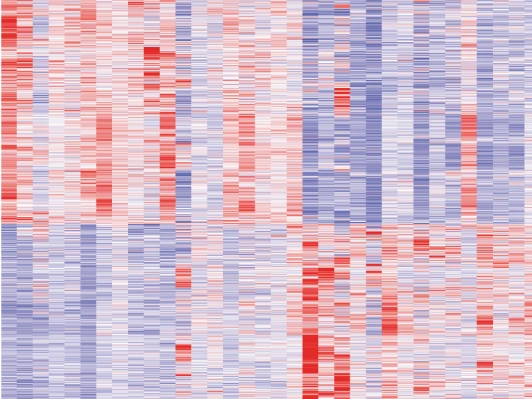
Hundreds of genetic variants influence type 2 diabetes risk, but most sit in non-coding regions of the genome, where it’s hard to tell what they do without knowing which regulatory elements are active in which cells. For my PhD, I used single-cell chromatin accessibility profiling (scATAC-seq) on human islets to map accessible chromatin in each cell type (beta, alpha, delta, and others), then linked the regulatory programs active in each cell type to type 2 diabetes genome-wide association study (GWAS) loci (Chiou et al., 2021).
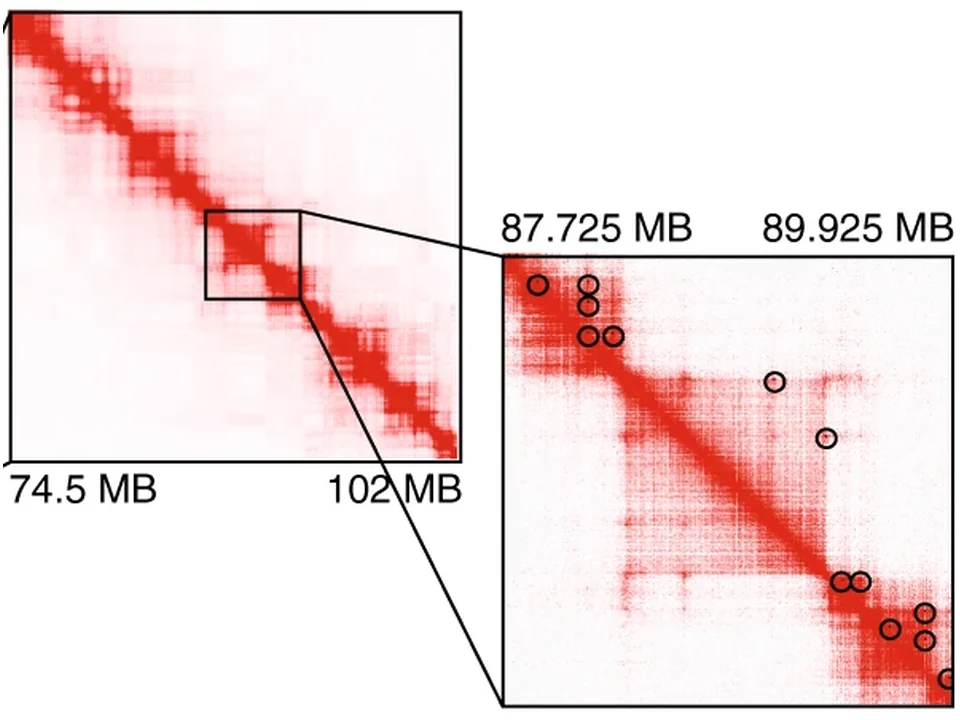
Before the single-cell work, I co-led a study that mapped chromatin accessibility and 3D chromatin contacts in human islets to connect distal type 2 diabetes risk variants to the genes they likely regulate (Greenwald et al., 2019). Later work identified two beta cell subtypes whose abundance shifts in type 2 diabetes and whose accessible chromatin is enriched for type 2 diabetes risk variants (Wang et al., 2023).
Integrating genetics with single-cell multiomic measurements across disease states identifies mechanisms of beta cell dysfunction in type 2 diabetes
Identified two beta cell subtypes whose abundance shifts in type 2 diabetes and whose accessible chromatin is enriched for type 2 diabetes risk variants.